Livestock Improvement Corporation (LIC) and the Ag Emissions Centre have completed the latest phase of a multi-year methane research programme, providing important insight into the role genetics may play in reducing gross emissions.
The programme, initiated in 2021 and supported by CRV, set out to identify low-emitting bulls. The hypothesis was that these bulls would pass the trait on to their milking daughters. Because a relatively small number of bulls sire the next generation of dairy cows, this approach offers a cost-effective and innovative way to introduce low methane emissions into the national herd.
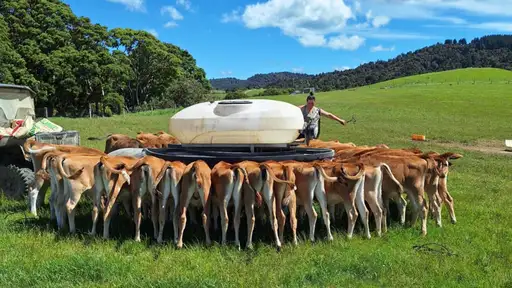
Early findings were encouraging, with lower methane emission traits identified in young bulls, and clear evidence these traits were passed on to their growing daughters.
However, the final phase of the research, which measured methane emissions in those daughters once they were lactating, found that this trait does not seem to be expressed during this stage.
Executive Director Ag Emissions Centre, Naomi Parker says while the outcome is disappointing, the findings are still valuable, and the job now is to shape the direction for future research.
“Genetics still can have a meaningful role in reducing gross methane emissions. For beef and sheep, we are still confident in the approach, and we will be feeding the insights from this trial into work underway in these areas. For dairy we will consider taking a different approach that will likely focus on measuring lactating cows for methane production to generate a DNA based selection criteria.”
The research did confirm that methane traits in bulls are heritable, and LIC CE David Chin says this insight is currently being applied within LIC’s dairy beef breeding programmes.
“Alongside sector partners, LIC remains committed to supporting efforts to reduce emissions intensity through breeding more efficient cows. The role genetics may play in reducing gross emissions is one of several possible solutions we will continue to explore.”