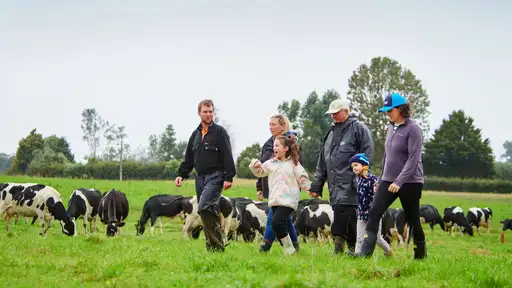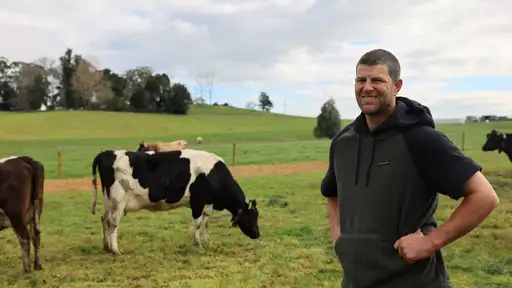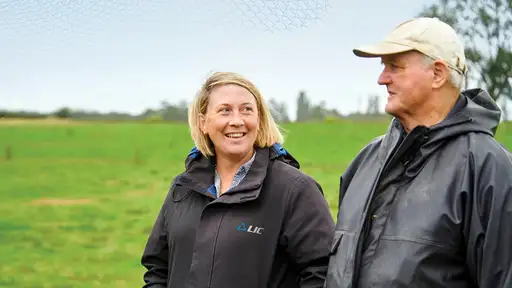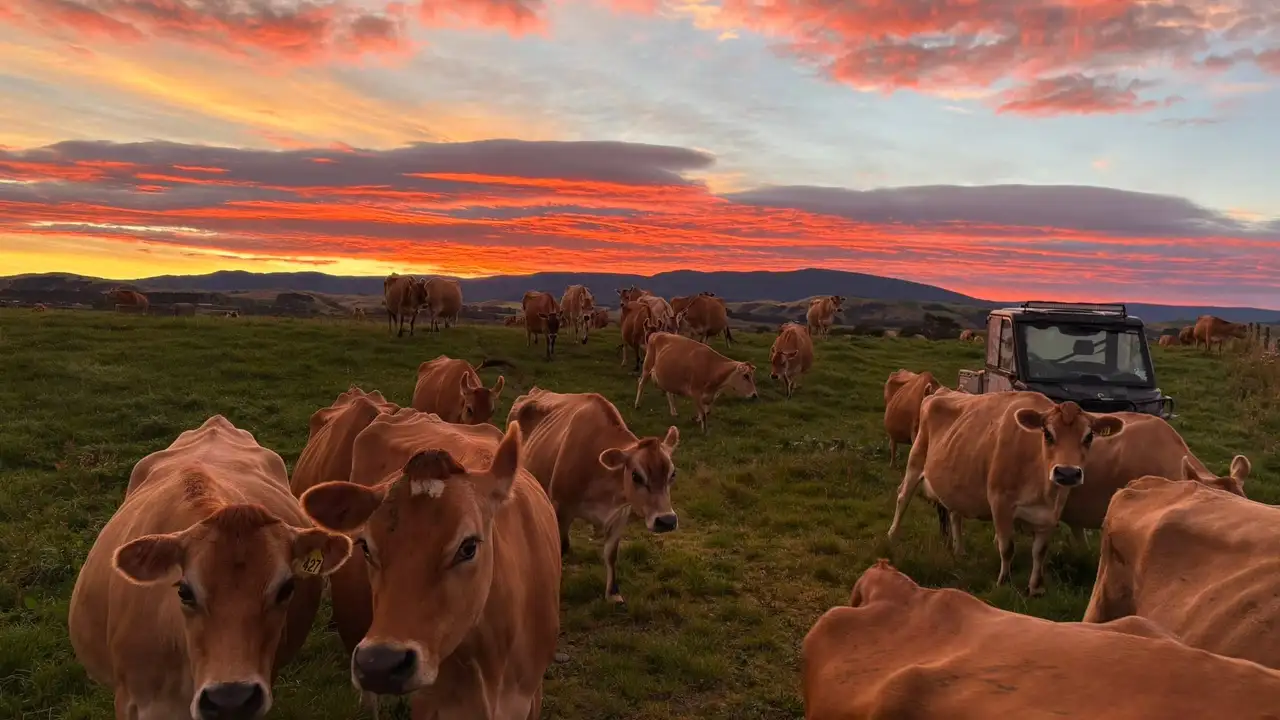
From culling much-loved cows to changing calf-rearing practices and investing in a dedicated young stock runoff, Alannah Skedgwell and her family haven’t had an easy journey with Johne’s disease. But after 11 years of consistent testing and management, they've reduced prevalence in their Southland herd from 7.2% to 2.4%.
Their message to other farmers is simple: start by testing.
Allanah’s family have been aware of Johne’s disease for a long time. In the 1980’s her mother bought a cow only to realise that there was something wrong just a few years later. After the cow died the autopsy showed the cow had Johne’s disease.
Fast forward to 2015 and Allanah saw some of her own cows lagging in production and decided to investigate further, ultimately deciding to test all 400 cows in their pedigree jersey herd. Their first round of herd testing revealed more than 7% of animals returning positive results.
"The numbers were enough for us to realise we couldn't just stick our heads in the sand. We needed to know what we were dealing with."
For Alannah, that's still the advice she'd give farmers who suspect they might have a problem but haven't taken the first step.
"Have a frank discussion with your vet. If you're worried about Johne's, testing gives you the information you need to make a plan."
Once the family understood the scale of the challenge, they turned their attention to preventing infection in young stock with almost every management decision designed around one goal: reducing calf exposure to Johne's bacteria. Something Allanah says includes strict monitoring at calving time.
"During calving, we collect the calves from paddocks five or six times a day. If we can catch a calf before it has the chance to drink from its mother, we will."
The family also became highly selective about which cows supplied colostrum to replacement calves. For many years, they avoided using colostrum from not only positive animals, but also daughters and granddaughters of known positive cows.
More recently, Allanah says they invested in a colostrum pasteuriser and now pasteurise colostrum and transition milk before feeding young stock.
"It's taken us years to get to where we are now. We didn't do everything at once, what’s more important is to just start by doing the things you can, it will make a difference.”
One purchase can undo years of progress
As pedigree Jersey breeders, Allanah and her family occasionally purchase cows to strengthen genetics and replace animals lost through culling. Despite being careful, Allanah says some purchased bloodlines later contributed to Johne's-positive animals appearing in the herd.
"It was frustrating because we'd worked so hard to reduce the problem, only to bring some of it back in. However, it’s changed the way we think about purchasing stock and we place a much greater emphasis on buying animals from herds with a long-term Johne's testing history.
The tough decisions that matter
One of the hardest aspects of managing Johne's has been culling animals that appear healthy. The family knows every cow by name, making those decisions deeply personal.
"We love our cows. They're part of our family, but the reality is they have to go.”
In the early years, that sometimes meant losing large numbers of cows each season making the emotional and financial cost significant. There were times when Allanah says it felt like their work wasn’t paying off.
Today, however, the family can see the results.
Their prevalence has dropped from 7.2% to 2.4%, and for the first time in years, Johne's no longer dominates every culling decision.
Alannah says while Johne's can feel overwhelming, doing something is always better than doing nothing.
"If you're worried, don't put your head in the sand, you don't have to do the whole gold-standard programme straight away. Get the information, make a plan, and stick with it."
Learn more about Johne’s disease